
How to grow Vanilla
pcmurraypl • October 24, 2024
"Mastering the Art of Vanilla Cultivation: Essential Techniques for Successful Growth and Harvest"
Growing Vanilla: A Comprehensive Guide to Cultivating This Exquisite Orchid
Vanilla is not just a flavor; it is a fantastic journey from seed to market. Known scientifically as Vanilla planifolia, this beautiful orchid is native to Mexico but is now cultivated in many tropical and subtropical regions around the world. Growing vanilla can be incredibly rewarding, but it requires specific care and considerations. In this blog, we will look at the essential steps to grow vanilla, from preparing the soil to harvesting the pods, and everything in between.
Understanding Vanilla: More Than Just a Flavor
The vanilla plant is a perennial vine that can grow up to 30 meters. It's highly regarded not only for its flavor but also for its complicated growing and harvesting process. Each flower is capable of producing a pod, but these blossoms must be pollinated manually in most regions outside of their native Mexico. The entire process from planting to harvesting can take three to four years, making patience and diligence keys to success.Step 1: Choosing the Right Variety and Location
Before planting vanilla, you must choose the appropriate variety. While Vanilla planifolia is the most commonly cultivated variety, there are also other varieties such as Vanilla tahitensis and Vanilla pompona. Each variety has different flavor profiles and growing conditions, so consider these factors according to your market needs and local climate.- Climate: Vanilla thrives in warm, humid conditions with temperatures between 20°C to 30°C (68°F to 86°F). It requires shaded light; thus, planting it under taller trees or artificial structures can create the ideal microclimate.
- Soil: Vanilla prefers well-draining, nutrient-rich soil. A mix of loamy and sandy soils, rich in organic matter with a pH of 6.0 to 7.0, is ideal. To enhance soil fertility, consider adding compost or well-rotted manure.
Step 2: Planting Vanilla Seeds or Cuttings
Vanilla can be propagated either through seeds or cuttings (also known as stem cuttings), with cuttings being the more common method due to their quicker establishment.- Seeds: If you choose to propagate through seeds, keep in mind they take longer to germinate and require specific conditions, making this method less common.
- Cuttings: To propagate using cuttings, choose healthy vine sections that are 15-30 cm long, preferably with aerial roots. Dip the cut end in a rooting hormone, and plant it in well-draining soil. Ensure the cutting receives indirect sunlight and keep the soil slightly moist.
Step 3: Supporting the Growth
Once planted, vanilla requires support to thrive as it's a climbing vine. Here are some essential considerations:- Stakes and Trellises: Use wooden stakes or trellises to provide structure for the vanilla to cling to. This not only supports the vine but also improves air circulation and sunlight exposure.
- Watering: Vanilla needs regular watering to maintain humidity. However, avoid waterlogging as this can rot the roots. A good rule of thumb is to water when the topsoil feels dry to the touch.
- Humidity: If you're growing vanilla in an area with low humidity, consider installing a misting system or regular fogging to keep the moisture levels appropriate. Ideal humidity levels are between 80-90%.
- Fertilization: Fertilizing properly is critical for robust growth. A balanced fertilizer, supplemented with additional organic matter, can support the developing plant. Fertilizing three times a year (early spring, summer, and late fall) should suffice.
Step 4: Flowering and Pollination
One of the most challenging aspects of vanilla cultivation is the blooming and subsequent pollination processes. Vanilla flowers are hermaphroditic but are often self-incompatible. As a result, manual pollination is necessary to ensure pod production.- Blooming: The beautiful yellowish-white flowers bloom in clusters. Each flower lasts only one day, so monitoring your plants becomes crucial. Flowering typically occurs in the summer months.
- Pollination Technique: To pollinate, gently lift the reproductive structure (the rostellum) and use a wooden stick or toothpick to transfer the pollen from the anther to the stigma. Not every flower will set, so it's important to pollinate as many as possible.
Step 5: Pod Development and Care
After successful pollination, vanilla pods will begin to develop. This phase requires care and attention.- Water and Nutrients: Continue to water and fertilize as needed. The pods usually take about 8-9 months to mature, during which time they should not be disturbed.
- Trellis Management: Ensure vines are supported properly as pods can become heavy and may require additional support.
Step 6: Harvesting and Curing
Harvesting vanilla is a labor-intensive process, but it’s crucial for high-quality production.- Harvesting: Pods are ready for harvest when they are plump and green. Cut them off the vine using a sharp knife. Be careful; it's essential to harvest them just before they turn completely yellow.
- Curing Process: To develop the characteristic vanilla flavor, pods must undergo a curing process, which includes blanching, sweating, drying, and conditioning. This process can take several months. The unique flavor compounds develop as the enzymes break down the natural compounds in the pod.
- Storage: Once cured, vanilla beans should be stored in airtight containers away from light and moisture to maintain freshness.
Conclusion: The Sweet Reward of Patience
Growing vanilla is truly a labor of love, requiring careful attention to detail and an understanding of its unique needs. From the right environmental conditions to meticulous pollination and curing processes, each step contributes to the rich, aromatic flavor that’s sought after worldwide. While it may take several years to see a yield, the rewards of growing this remarkable plant extend beyond its use in the culinary world, offering a sense of satisfaction and accomplishment that every gardener can appreciate. With proper care and commitment, anyone can embark on the enchanting journey of growing vanilla, turning a simple garden into a fragrant paradise. Whether for personal use, commercial sale, or trying your hand at gourmet food production, the sweet reward is inevitably worth the wait.Recent Posts
By Justine Murray
•
October 9, 2026
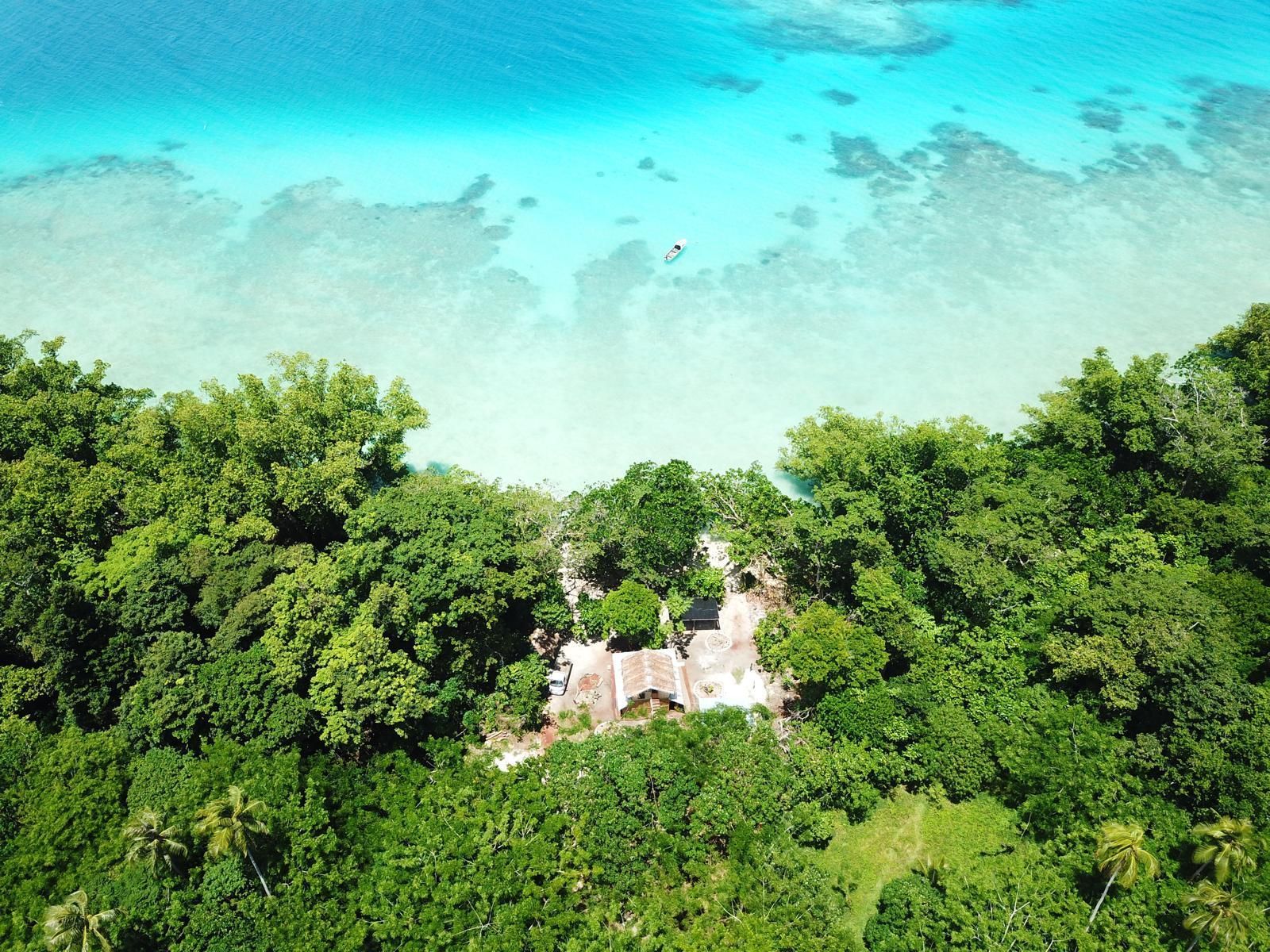
Discover Aore Island, Vanuatu. Find accommodation, beaches, tours, snorkelling, transport and local experiences just minutes by boat from Santo.

By Justine Murray
•
October 5, 2026
How to get to Aore Island, Vanuatu from Santo. Find flights, ferry and boat transfer information, departure points and practical travel tips.
October 5, 2026
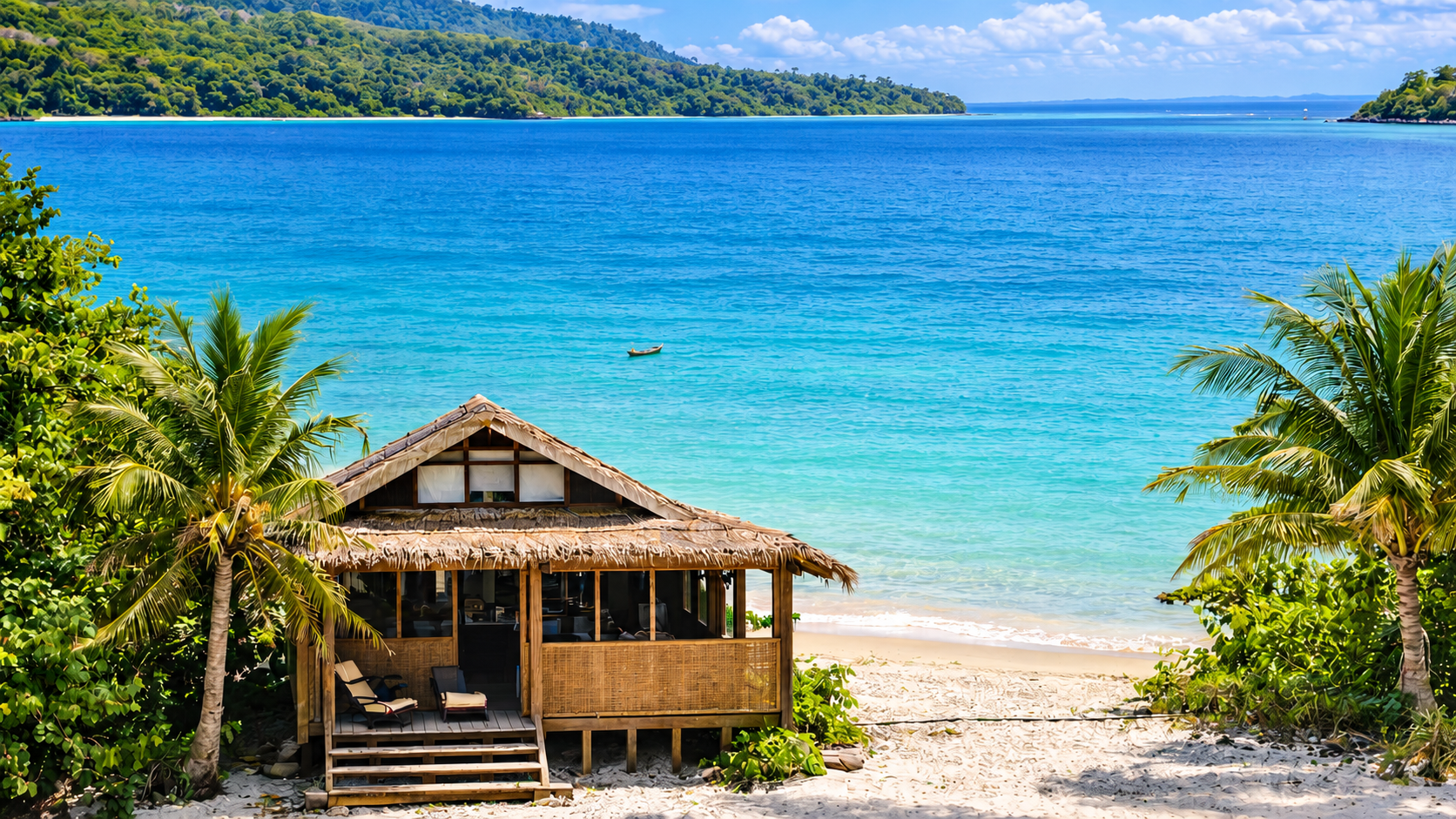
Can foreigners own property in Vanuatu? Learn how leasehold land works, what buyers can purchase, business rules, costs to check before buying in 2026.