Difference between Residency and Citizenship
What Is the Difference Between Permanent Residency
and Citizenship in Vanuatu?
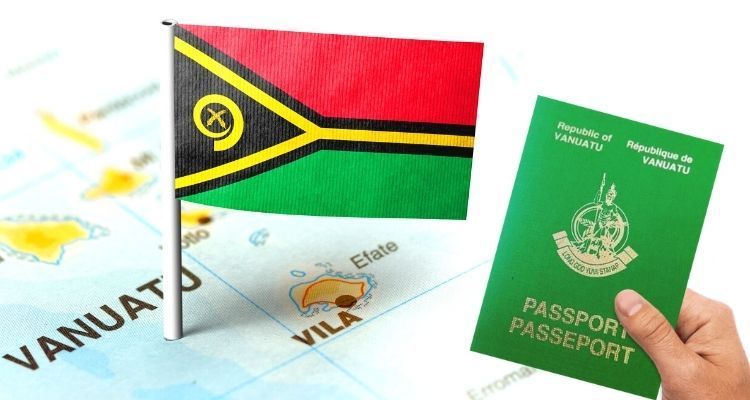
For Americans and other international buyers considering a move to Vanuatu, one of the most common questions is simple: what is the difference between permanent residency and citizenship? The two are often confused because both can allow a person to establish a long-term life in Vanuatu, but legally they are quite different. A permanent resident remains a citizen of another country and holds permission to reside in Vanuatu. A Vanuatu citizen becomes a national of Vanuatu and may hold a Vanuatu passport.
For many people from the United States, Canada, the United Kingdom and other countries with strong passports, permanent residency may provide most of what they actually need. They can live in Vanuatu under the conditions of their residence status, establish a home and, depending on the particular visa and permits held, work, invest or operate a business. Citizenship becomes more relevant when someone wants the additional rights attached to nationality, particularly a Vanuatu passport, or when Vanuatu has become their permanent long-term home.
The difference between a permanent resident and a citizen
A permanent resident in Vanuatu is not a Vanuatu citizen. Permanent residency is an immigration status, while citizenship is nationality. This distinction is important because a permanent resident continues to travel on their existing passport and remains subject to Vanuatu immigration law. A citizen, by contrast, has the rights and responsibilities attached to Vanuatu nationality and may apply for a Vanuatu passport.
Permanent residency can therefore be a practical solution for people who want to live in Vanuatu without changing nationality. For an American citizen, for example, retaining a United States passport while holding the appropriate Vanuatu residence status may be entirely sufficient. The same can apply to citizens of Canada, the United Kingdom and other countries whose existing passports already provide broad international travel access.
Can a permanent resident live and work in Vanuatu?
The answer depends on the type of residence or permanent residence status held. Vanuatu has several immigration categories, including residence based on employment, self-funded residence, investment, partnership and qualifying leasehold interests. Some categories permit work or business activity when the appropriate work permit, foreign investment approval or business licensing requirements are also satisfied, while other visa classes have restrictions.
This is an important point because simply holding a residence card does not necessarily mean a person can undertake any type of employment or business activity without further approval. Anyone planning to work, operate a business or actively manage an investment should confirm the conditions of the particular visa they are applying for and any additional approvals required under Vanuatu law. Vanuatu Immigration and Passport Services is the government authority responsible for immigration status and residence visas.
What rights does a Vanuatu citizen have that a resident does not?
Citizenship provides rights that permanent residency does not. A Vanuatu citizen may obtain a Vanuatu passport and can participate in aspects of national civic life that are reserved for citizens. Permanent residents do not become Vanuatu nationals simply because they have lived in the country for a long period.
This is one of the clearest differences between residency and citizenship. A resident has permission to live in Vanuatu. A citizen belongs to Vanuatu as a matter of nationality. That legal difference affects passports, political rights and certain activities that may be reserved or restricted under Vanuatu law.
Can a permanent resident become a citizen after 10 years?
Vanuatu provides a naturalization pathway for people who have lived lawfully and continuously in the country for at least ten years before applying. This is often described casually as “ten years of permanent residency and then citizenship,” but legally it is more accurate to say that ten years of qualifying lawful residence can make a person eligible to apply for citizenship by naturalization.
Citizenship is not automatically granted on the tenth anniversary of residence. An application still needs to be made and assessed by the Vanuatu Citizenship Commission, and applicants must satisfy the requirements applying at the time. Current naturalization procedures include evidence of lawful residence and other eligibility requirements, and the Citizenship Commission administers the process separately from the Immigration Department.
Why would an American choose permanent residency instead of citizenship?
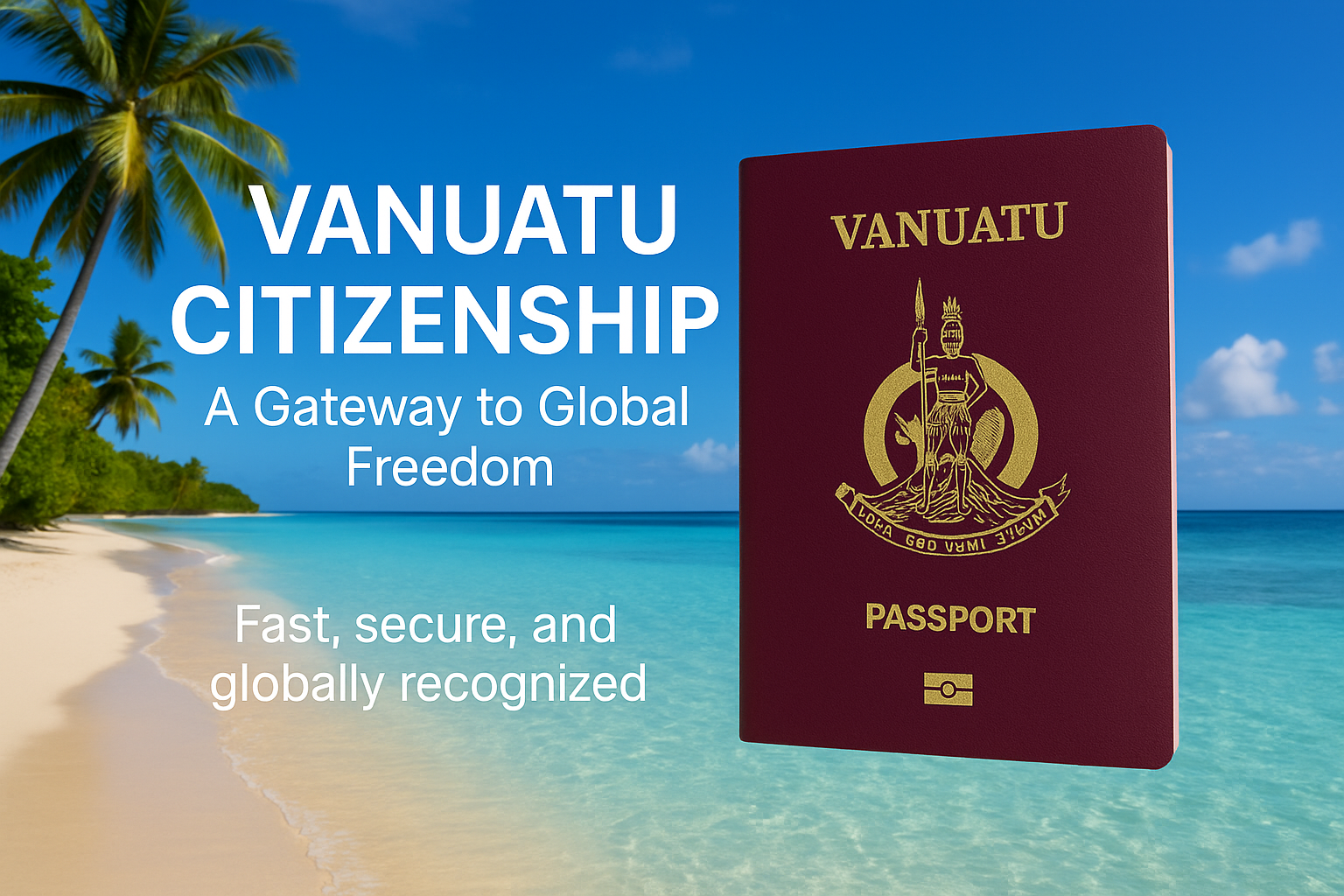
For many Americans, permanent residency may be the more practical choice. A United States passport already provides extensive international travel access, so obtaining another passport may not be the principal reason for moving to Vanuatu. The priority may simply be the ability to establish a home, spend long periods in the country, invest, retire or operate a lawful business.
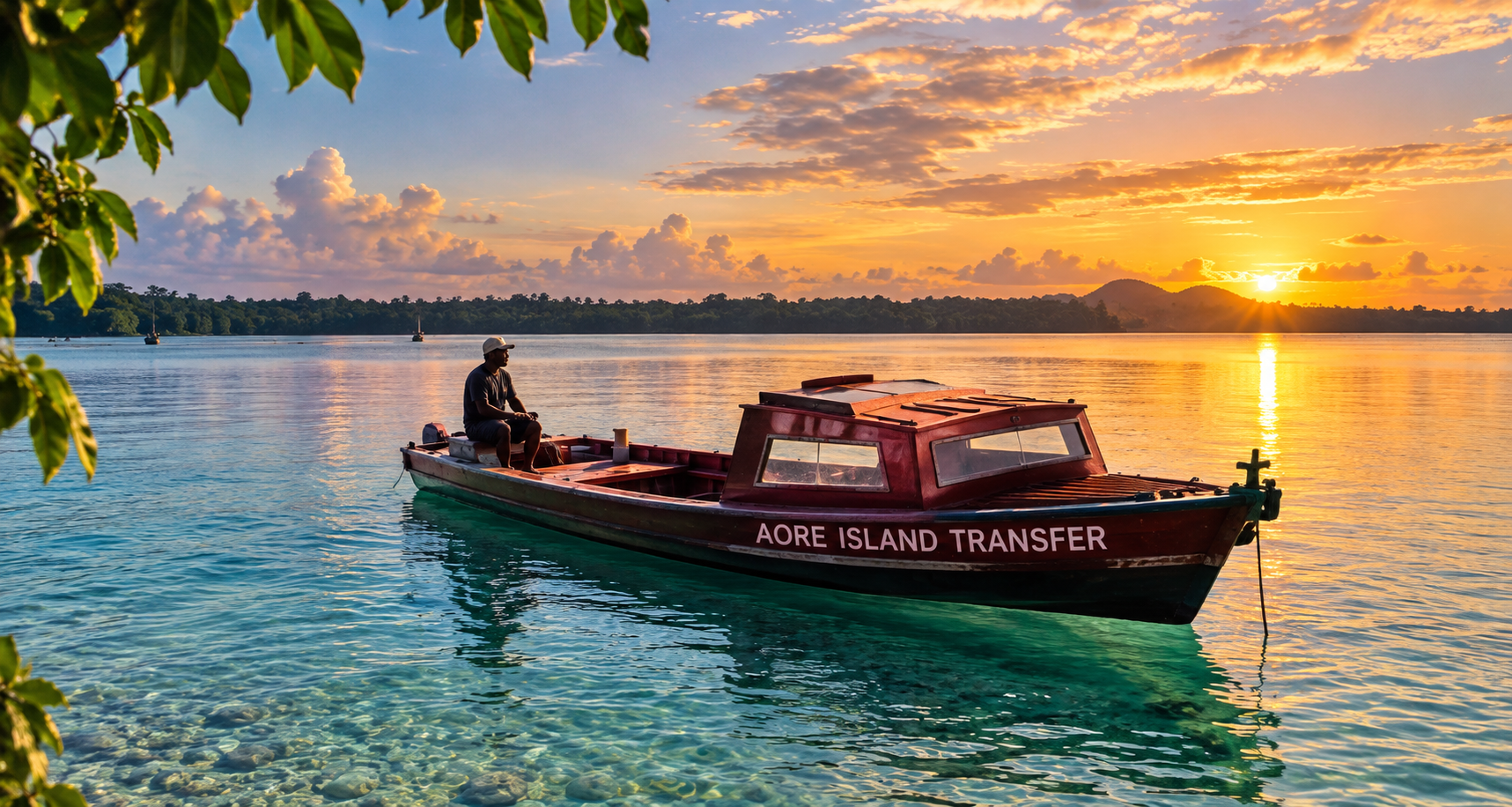
That is why residency and citizenship should not be treated as competing products. They solve different problems. Someone from the United States who wants to live on Aore Island, own a leasehold property and spend most of the year in Vanuatu may have no immediate need to become a citizen. Their immigration status needs to support the way they intend to live, but citizenship may not add enough practical value to justify pursuing it.
The same reasoning can apply to citizens of Canada and the United Kingdom. Where an existing passport already gives convenient access to most destinations a person regularly visits, the value of a second passport may be lower than it is for somebody whose existing nationality involves more restrictive visa requirements.
Why would someone choose Vanuatu citizenship?
Citizenship becomes more attractive when a person wants full Vanuatu nationality or places significant value on holding a Vanuatu passport. This may be particularly relevant to people whose existing passport requires advance visas for many international destinations, or for people who have lived in Vanuatu for many years and regard the country as their permanent home.
A Vanuatu passport can provide different travel options from some other national passports, but passport access changes over time. It is therefore better to check current entry requirements for the countries you intend to visit rather than relying on an old claim that a Vanuatu passport provides visa-free access to a fixed number of countries. That figure can change when governments alter immigration agreements.
For applicants from countries such as Brazil, Malaysia, India, Indonesia or Pakistan, the value of Vanuatu citizenship may therefore be assessed differently from the way an American, Canadian or British applicant assesses it. The correct comparison is not simply “which passport has more countries?” but whether a Vanuatu passport materially improves the destinations that person actually needs to reach.
Residency vs citizenship: which is better?
There is no single correct answer. For someone whose main goal is to live in Vanuatu, permanent residency or another suitable long-term residence arrangement may be enough. It can provide stability without requiring the person to change nationality, and for people from countries such as the United States, United Kingdom or Canada, retaining their existing passport may make considerable practical sense.
Citizenship is a much more significant legal step. It is more appropriate for someone who wants Vanuatu nationality itself, who has established a genuine long-term connection with the country, or who has a strong practical reason to obtain a Vanuatu passport. Citizenship can also be available through routes other than long-term naturalization, and those pathways have different legal and financial requirements.
Permanent resident vs citizen: the simple version
- A permanent resident is a foreign national who has permission to reside in Vanuatu under immigration law.
- A citizen is a national of Vanuatu.
That is the fundamental distinction. Residency concerns the right to remain in the country. Citizenship concerns nationality.
For someone from the United States, Canada, the United Kingdom or another country with a widely accepted passport, residency may provide nearly everything needed to build a life in Vanuatu. For somebody who needs the additional benefits of Vanuatu nationality and a Vanuatu passport, citizenship may be more valuable.
Vanuatu’s immigration and citizenship rules should always be checked against current government requirements before an application is made. The legal framework changes, visa categories have different conditions, and the correct pathway depends on whether the applicant intends to retire, work, invest, own leasehold property or eventually apply for citizenship.


Contact Us
We will get back to you as soon as possible.
Please try again later.
Recent Posts