
Animal & Marine Guide Aore Island Vanuatu
April 4, 2026
Animal and Marine Guide Aore Island
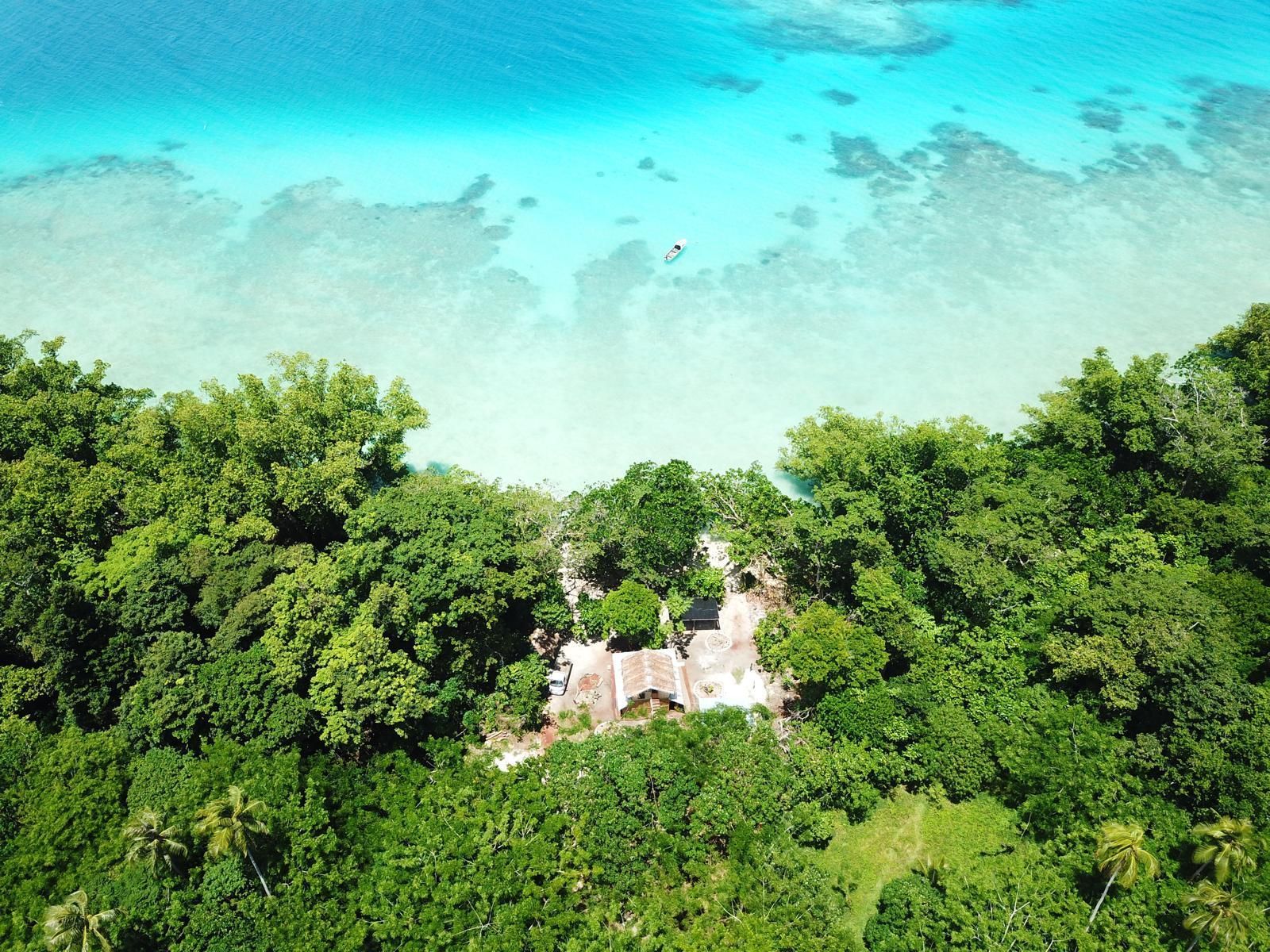
Aore Island is surrounded by vibrant marine life and natural environments that are part of everyday island life. From reef flats and tidal pools to tropical bush and shoreline areas, guests will encounter a range of animals and ocean conditions during their stay. This guide provides a simple overview of what to expect, how to enjoy these environments responsibly, and what to be aware of when exploring. With a bit of awareness and respect for nature, the island can be experienced safely and comfortably.
Wildlife You May Encounter
As part of island life, you may come across a range of animals both around the house and in the surrounding environment. From daily dugong sightings and tropical fish in the water, to mosquitoes, ants, geckos, and the occasional roaming dog or crab, these are all normal for a beachfront setting in Vanuatu. Most are harmless, some can be a minor annoyance, and a few simply require awareness. The guide below outlines what to expect and how to manage each one so you can enjoy your stay with confidence. Please read what to do if you encounter them below or full a full list of animals in Vanuatu click the button below.
Dugong Sightings
One of the most special parts of staying on Aore Island is the chance to see a dugong in the wild. These gentle marine animals are often spotted directly out the front of the house, usually grazing on seagrass in calm, shallow water.
Sightings are common, especially in the early morning or late afternoon when the ocean is still. While we can’t guarantee you’ll see one, many guests do during their stay.
Dugongs are completely harmless and protected in Vanuatu. If you’re lucky enough to spot one, enjoy the moment quietly from a distance. Please do not chase, feed, or try to swim directly up to them, as this can disturb their natural behaviour.
This is a rare, natural experience — no tours, no crowds, just you and the ocean.
What should we do if we see one?
Stay calm, keep your distance, and enjoy the moment quietly. Avoid sudden movements or noise
Stay calm, keep your distance, and enjoy the moment quietly. Avoid sudden movements or noise
Mosquitoes
Mosquitoes are part of island life and can be more noticeable at certain times of the day, especially around sunrise and sunset. After rain or in still weather, numbers can increase.
We provide basic protection, but it’s important to manage this yourself as well. Using repellent, wearing light long sleeves in the evening, and keeping doors closed will make a big difference. Fans also help, as mosquitoes struggle in moving air.
They are more of an annoyance than a danger, but like anywhere tropical, it’s best to take simple precautions.
For best results, treat bites early using pharmacy products from town. This will stop itching fast and prevent ongoing issues during your stay.
Ants
Ants are very common in tropical environments and you will likely see them during your stay. They are mostly harmless but can quickly appear around food, benches, and bins.
Because of the climate, even small crumbs or spills can attract them fast. Keeping areas clean is the key to avoiding them.
Ants are part of island life, but with simple habits they are easy to control and usually disappear once food is managed properly.
Bats (Flying Foxes)
At night you may see or hear bats flying overhead. These are flying foxes and are a normal part of island life.
They are active after sunset and feed on fruit and flowers. You may notice them passing over the house or in nearby trees.
They are not interested in people and will not come near you.
Bats are a natural and harmless part of the island ecosystem. Most guests enjoy seeing them as part of the experience.
Lizards (Geckos)
You may see small lizards (geckos) inside the house. This is completely normal in tropical environments.
They are harmless and actually helpful, as they eat mosquitoes and other insects. You’ll often see them on walls or near lights at night.
Geckos are a normal part of island living and help keep insects under control, making them more useful than a problem.
Crabs and Coconut Crabs
You may occasionally see small land or coconut crabs around the house or even inside. This is normal in a beachfront environment.
- They usually wander in from outside, especially at night, and are not aggressive. They will move on quickly if left alone or gently guided back outside. Always keep doors closed to prevent them getting in.
Crabs are part of the natural coastal environment. They are harmless, occasional visitors and part of the island experience.
Island Dogs
You may see local dogs around the island or near the house. These are village dogs and part of everyday life in Vanuatu.
They often roam freely and may pass by the beach or property. Most are calm, used to people, and not interested in interacting with guests. Never pat or feed them as they will stay at the house.
Local dogs are part of everyday island life. By keeping a respectful distance and contacting the appropriate local organisation if needed, you help support both the animals and the community in the right way.
Wild Cattle
You may occasionally see cattle roaming on the island. These are part of local farming and can move freely through bush areas, tracks, and sometimes near the property.
They are generally calm but are large animals and should always be treated with respect and distance.
Cattle are part of the island landscape. With simple awareness and distance, they are safe to be around and rarely cause issues.
Other Wildlife
You may also notice occasional, spiders, or local chickens around the area. This is normal in a tropical island environment. These are not dangerous and are part of everyday life. Keeping doors closed and food stored will minimise insects, and animal noise (such as roosters) may be heard from time to time. This is all part of the natural island setting.
Dangerous Marine Life
While the ocean is generally calm and safe, there are a small number of marine creatures that require awareness. These are not commonly encountered, but it’s important to know what to look out for.
Most issues can be avoided by watching where you step, not touching marine life, and wearing reef shoes when entering the water.
What is a coral cut?
A coral cut is a scrape or cut caused by contact with coral, which is hard, sharp, and often uneven like rock. Even a small brush against it can break the skin.
Coral carries natural bacteria and tiny particles, so even minor cuts can become infected if not cleaned properly. This is why prompt cleaning and care is important, even for small wounds.
Are there dangerous animals in the water?
Rarely. Most marine life is harmless, but creatures like sea urchins, stonefish, or jellyfish can cause injury if stepped on or touched.
Rarely. Most marine life is harmless, but creatures like sea urchins, stonefish, or jellyfish can cause injury if stepped on or touched.
Serious incidents are extremely rare.
Dangerous Marine Animals in Vanuatu
Vanuatu’s waters are generally safe, but like any tropical reef environment, there are a small number of marine hazards to be aware of. The main risks are sea urchins and stonefish, which are usually only a concern if stepped on in shallow or rocky areas. Serious incidents are rare and easily avoided by wearing reef shoes, moving slowly in the water, and not touching marine life. With basic awareness, the ocean remains safe and one of the best parts of your stay.
Final Note on Wildlife
Wildlife is part of what makes this place special. From dugongs in the water to geckos on the walls, you’re experiencing a natural island environment, not a controlled resort. Most animals are harmless, some are simply part of daily life, and a few just require basic awareness. With a little common sense, everything is easy to manage. Relax, enjoy it, and take it as part of the experience.
Latest Articles on Vanuatu
Stay up to date with the newest insights on Vanuatu property, business, and lifestyle. From affordable land tips to investment guides, these articles keep you informed and ready to take action.
Learn more
- READ ON MEDIUM @vanuatuisland
- WATCH ON YOUTUBE @vanuatuislandorg
- CONNECT ON TIKTOK @vanuatuislandorg
Recent Posts
By Justine Murray
•
October 9, 2026
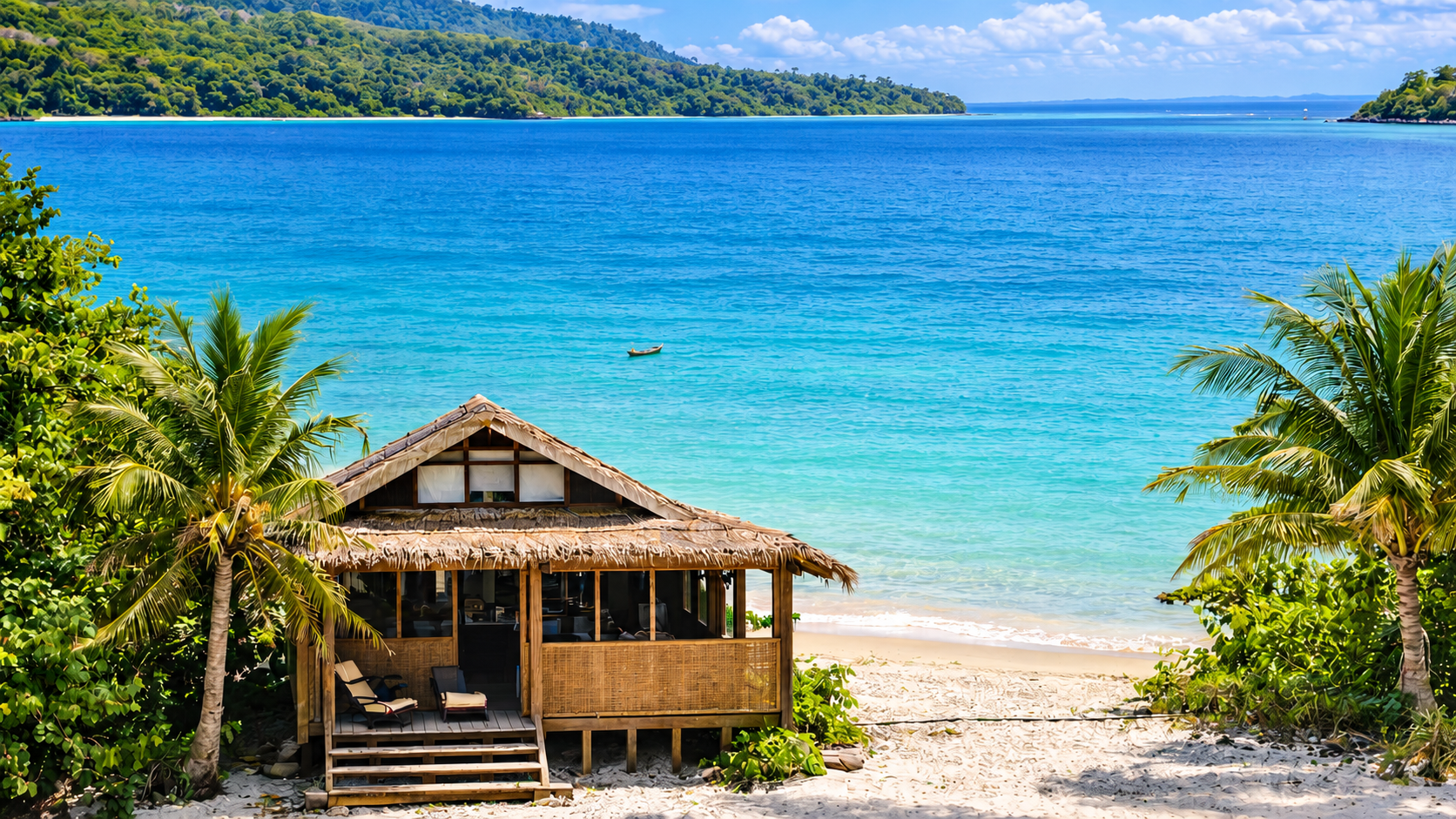
Discover Aore Island, Vanuatu. Find accommodation, beaches, tours, snorkelling, transport and local experiences just minutes by boat from Santo.

By Justine Murray
•
October 5, 2026
How to get to Aore Island, Vanuatu from Santo. Find flights, ferry and boat transfer information, departure points and practical travel tips.
October 5, 2026
Can foreigners own property in Vanuatu? Learn how leasehold land works, what buyers can purchase, business rules, costs to check before buying in 2026.