
Emergency Guide Vanuatu | Storms, Earthquakes, Cyclone & Safety
April 4, 2026
Emergency Procedures Aore Island
Safety never has a day off!
Living on a remote island means response times can vary, so preparation and awareness are key. These are simple, practical guidelines to help you act quickly and safely. Stay calm. Assess the situation. Follow the relevant steps for the event. If in doubt, move to a safe open area and contact the host as soon as possible. Each section below provides clear steps to follow and how to reduce risk during your stay.
Use small black house phone for emergencies
We offer a
D
ownload of a first aid guide
We also recommend keeping a physical first aid book on hand for quick reference during power or internet outages.
�55357;�56525;A basic first aid kit is available on site. Please familiarise yourself with its location on arrival.
�55357;�56524;For information on bites, stings, and marine hazards (including stonefish), see the
Animal & Marine Safety guide
.
Stay calm, act quickly, and prioritise safety at all times. Quick decisions and simple actions are the most effective in an emergency.
STORM & SQUALL SAFETY
Storms here can build quickly with strong wind and heavy rain. Large trees surround the property, and fast-moving squalls can arrive with little warning. It’s important to act early and stay inside until conditions pass.
Close all shutters and secure the house. Bring any light outdoor items inside before the wind picks up. Once the storm arrives, remain indoors and avoid moving around unless necessary.
Rain can be driven inside by strong winds, so move bedding, cushions, and personal items away from windows if possible. Keep doors closed, avoid standing near windows, and be mindful of slippery floors. These storms are usually short, but can be intense.
A squall is a sudden, short burst of strong wind and heavy rain that can arrive quickly and pass just as fast.
FIRE RESPONSE & EMERGENCY SUPPORT
This is a wooden island home, so fire safety is critical. Heat, dry timber, and wind can cause fire to spread quickly. Please take a simple, practical approach at all times and avoid any unnecessary risks. Most issues can be prevented with awareness and basic care.
Fire Safety Tips
• Watch indoor flames (candles, incense, mosquito coils)
• Always turn gas off after use
• Never leave cooking unattended
• Do not place hot items directly on timber surfaces
• Avoid overloading power boards or extension leads
• Turn off appliances when leaving the house
• Use mosquito coils outdoors only and on proper stands
Fire Safety Tips
• Watch indoor flames (candles, incense, mosquito coils)
• Always turn gas off after use
• Never leave cooking unattended
• Do not place hot items directly on timber surfaces
• Avoid overloading power boards or extension leads
• Turn off appliances when leaving the house
• Use mosquito coils outdoors only and on proper stands
If a fire starts, act immediately and do not delay. A
fire pump
is located nearby and can be accessed within approximately 10 minutes. Contact the house manager or host as soon as possible so support can be arranged. Quick action and early communication are critical to keeping everyone safe.
Earthquakes
Earthquakes can occur without warning in this region. Most are minor, but it’s important to know how to respond. The key is to stay calm, protect yourself during shaking, and move to a safe open area once it has stopped. These simple steps will help reduce risk and keep you safe.
Tsunamis are extremely rare in Vanuatu, with very few recorded events in recent history. The main risk comes after a strong or long earthquake. If you feel significant shaking and are near the coast, act as a precaution.
Tropical Cyclone Safety
Cyclones are less common than daily storms but can occur during the wet season. Unlike squalls, they build over time and are tracked in advance. The key is early preparation, staying inside, and following instructions.
TSUNAMI
Tsunamis are rare but can happen after strong earthquakes or undersea activity. Living on a low-lying island means awareness and quick action matter. The key rule: if the sea suddenly pulls back or you feel a long, strong earthquake — move immediately to higher ground
What is a Tsunami :
A tsunami is a series of powerful ocean waves caused by underwater earthquakes, volcanic eruptions, or landslides. It is not a normal wave. It moves fast across the ocean and can surge inland quickly, flooding coastal areas.
What to Do
- If you feel a strong or long earthquake rated 7
- 7 or higher you will know things will fall off shelf
- You have 17 minutes before the first wave will hit
- Go to higher ground immediately
- Do not wait for confirmation or alerts move fast
- Move across to Phoenix Plantation and run uphill as fast as possible
Tsunamis are unpredictable, but response is simple: if in doubt, get to higher ground immediately.
Volcanoes
Volcanic activity exists in Vanuatu, but risk in this area is low. Most impacts are from ash or distant eruptions. Stay aware of updates and follow guidance if conditions change.
⚠️ AMBYRM VOLCANO (NEAR SANTO) Level 3 Threat Ambrym Volcano, located south of Santo, is one of Vanuatu’s most active volcanoes. It regularly releases gas and can produce ash during periods of activity. While it is not on this island, ash and haze can travel depending on wind direction. It currently is a Level 3 Volcano and currently poses no threat to Aore Island.
⚠️ AMBYRM VOLCANO (NEAR SANTO) Level 3 Threat Ambrym Volcano, located south of Santo, is one of Vanuatu’s most active volcanoes. It regularly releases gas and can produce ash during periods of activity. While it is not on this island, ash and haze can travel depending on wind direction. It currently is a Level 3 Volcano and currently poses no threat to Aore Island.
Ambrym activity is a normal part of life in Vanuatu. It is monitored closely and rarely impacts this area beyond light ash. Follow simple precautions and continue as normal unless advised otherwise.
Vanuatu is a remote island nation in the South Pacific known for its natural beauty, but also for its active environment. Guests should be aware that conditions here are different to mainland destinations. Emergency services are limited, response times can be slower, and self-awareness plays a key role in staying safe.
The most common events in Vanuatu are sudden weather changes, including tropical squalls and heavy rain. These can arrive quickly with strong winds and reduced visibility. Earthquakes also occur regularly, usually minor but sometimes noticeable. Cyclones are less frequent but can have a significant impact when they occur, with advance warnings typically provided.
Other risks include ocean-related hazards such as strong currents, sharp coral, and marine life, as well as environmental factors like heat, dehydration, and limited access to immediate medical care.
The key to staying safe in Vanuatu is preparation and awareness. Check weather conditions daily, follow local advice, and act quickly if conditions change. In any emergency, simple actions and fast decisions are the most effective response.
Vanuatu offers a unique and rewarding experience, and with the right awareness, it can be enjoyed safely and confidently.
The most common events in Vanuatu are sudden weather changes, including tropical squalls and heavy rain. These can arrive quickly with strong winds and reduced visibility. Earthquakes also occur regularly, usually minor but sometimes noticeable. Cyclones are less frequent but can have a significant impact when they occur, with advance warnings typically provided.
Other risks include ocean-related hazards such as strong currents, sharp coral, and marine life, as well as environmental factors like heat, dehydration, and limited access to immediate medical care.
The key to staying safe in Vanuatu is preparation and awareness. Check weather conditions daily, follow local advice, and act quickly if conditions change. In any emergency, simple actions and fast decisions are the most effective response.
Vanuatu offers a unique and rewarding experience, and with the right awareness, it can be enjoyed safely and confidently.
Latest Articles on Vanuatu
Stay up to date with the newest insights on Vanuatu property, business, and lifestyle. From affordable land tips to investment guides, these articles keep you informed and ready to take action.
Learn more
- READ ON MEDIUM @vanuatuisland
- WATCH ON YOUTUBE @vanuatuislandorg
- CONNECT ON TIKTOK @vanuatuislandorg
Recent Posts
By Justine Murray
•
October 9, 2026
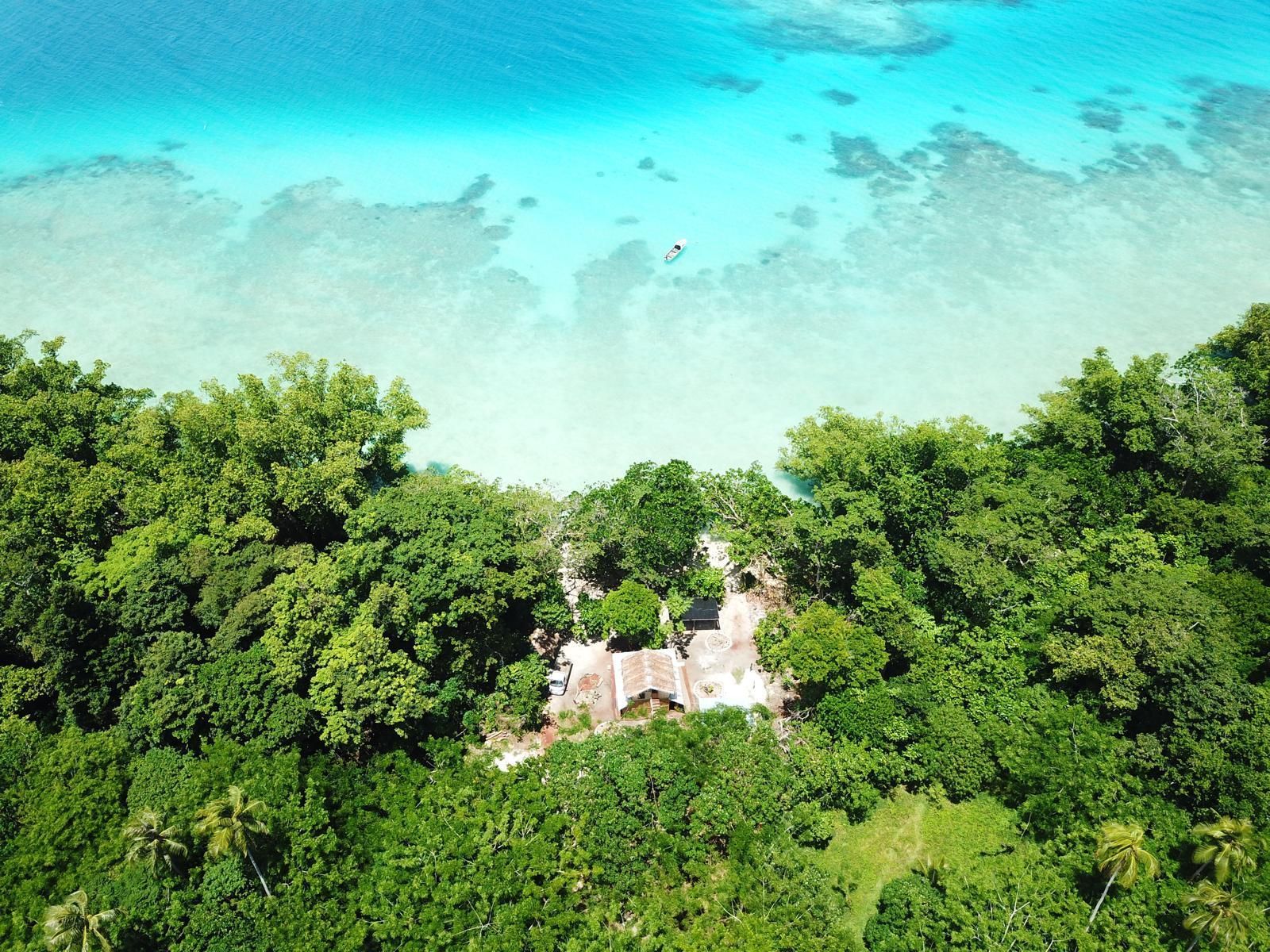
Discover Aore Island, Vanuatu. Find accommodation, beaches, tours, snorkelling, transport and local experiences just minutes by boat from Santo.

By Justine Murray
•
October 5, 2026
How to get to Aore Island, Vanuatu from Santo. Find flights, ferry and boat transfer information, departure points and practical travel tips.
October 5, 2026
Can foreigners own property in Vanuatu? Learn how leasehold land works, what buyers can purchase, business rules, costs to check before buying in 2026.