
Resident Visa & Citizenship in Vanuatu
For people planning to live in Vanuatu long term, the first question is usually whether residency or citizenship is the better fit. Residency allows a foreign national to establish a legal long-term base in Vanuatu, while citizenship goes further by giving the person Vanuatu nationality and the right to apply for a Vanuatu passport. The right choice depends on whether you simply want to live, work, invest or retire in Vanuatu, or whether your long-term goal is full citizenship.
Types of Residency in Vanuatu
Vanuatu offers several residency pathways depending on how you intend to live in the country. Common options include residency linked to employment, investment, self-funded living, family connections and qualifying property or leasehold interests. Some people begin with a shorter-term residence visa while they establish themselves, while others choose a longer-term pathway because they already know Vanuatu will be their permanent base.
The important point is that residency should match what you actually plan to do here. Someone retiring in Vanuatu has different needs from someone running a business, working for a local employer or investing in property. This landing page will guide you through the main options, with more detailed information available on each pathway.
Permanent Residency in Vanuatu
Permanent residency is suited to people who want Vanuatu to become a long-term base without immediately becoming citizens. It provides a more settled immigration status than a short-term residence visa and can be appropriate for retirees, investors, property owners and people who have established strong ties to the country.
Permanent residency should not be confused with citizenship. A permanent resident remains a foreign national and continues to travel on their existing passport. Citizenship is a separate legal status, with different rights and a different application process. For people who simply want to live in Vanuatu securely for the long term, permanent residency may be all they need.
Citizenship in Vanuatu
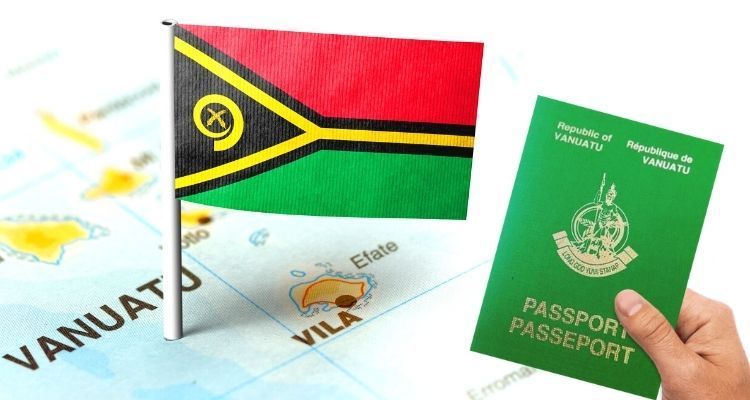
Citizenship is a different step from residency. A Vanuatu citizen is a national of the country and may apply for a Vanuatu passport, while a resident remains a foreign national living in Vanuatu under immigration law.
There are several pathways to citizenship, including naturalisation after qualifying long-term residence and approved citizenship by investment programs. The right route depends on your circumstances, how long you have lived in Vanuatu, your family connections and whether you are seeking citizenship through residence or investment.
Citizenship by Investment in Vanuatu
For applicants who do not want to wait through the ordinary long-term naturalisation pathway, Vanuatu also offers approved citizenship by investment programs. These programs are administered through the Vanuatu Citizenship Commission and require applicants to meet the financial, legal and due-diligence requirements of the particular program being used.
Citizenship by investment is generally more relevant to people seeking Vanuatu nationality, a second passport or a faster route to citizenship than residence-based naturalisation. Because the programs, fees and due-diligence requirements can change, applicants should work from current government information and obtain an up-to-date quotation before committing funds.
Since 2021, we have worked with VanInvest on a number of Vanuatu citizenship applications, and that experience has reinforced the importance of using people who understand the current process and can guide applicants through the documentation, compliance and approval stages.

Which Option Is Right for You?
The best pathway depends on what you actually want from Vanuatu. If your goal is to live, retire, work or invest here, residency may provide everything you need without changing nationality. If your long-term goal is to become a Vanuatu citizen, hold a Vanuatu passport or create a more permanent legal connection to the country, citizenship may be more appropriate.
For many people, the process starts with residency and develops over time. Others already know they want citizenship and prefer to explore an approved investment pathway. The important thing is to compare the options properly, understand the legal differences and choose the route that matches your plans rather than assuming one option is automatically better than another.
How Long Before Residency Can Lead to Citizenship
For people who choose the residence pathway, citizenship is generally a long-term objective rather than an immediate next step. Under Vanuatu’s naturalisation framework, an applicant may become eligible to apply for citizenship after meeting the required period of lawful residence, currently based on ten years of qualifying residence.
That does not mean citizenship is automatic after ten years. The applicant still has to meet the legal requirements in force at the time and submit a formal application. For people who are genuinely planning to make Vanuatu their long-term home, however, residency can provide a practical pathway toward eventual citizenship without requiring an investment-based citizenship program.
Working, Investing and Building a Life in Vanuatu
For many people, the decision between residency and citizenship is ultimately about how they intend to live in Vanuatu. Someone moving here to work, operate a business, invest in property or retire will usually begin by looking at the residence pathway that best matches their circumstances.
Residency can provide a practical way to establish yourself in the country while keeping your existing nationality. Over time, some residents decide that Vanuatu has become their permanent home and later explore citizenship, while others are satisfied remaining long-term residents. The important point is to choose the status that fits your actual plans rather than applying for citizenship simply because it appears to offer more.
Speak to Someone About Your Options
If you are unsure whether residency, permanent residency or citizenship is the right pathway, the best starting point is to look at what you actually want to achieve in Vanuatu. Your nationality, family situation, work or business plans, investment interests and long-term intentions can all affect which option is most suitable.
We can help you understand the main pathways, explain the practical differences and point you toward the relevant immigration or citizenship process. For citizenship by investment, we work with VanInvest, while residency matters should be checked against the current requirements of Vanuatu Immigration and Passport Services.
Explore the Residency and Citizenship Guides
This page is designed as the starting point. From here, you can move into the area that best matches what you are trying to do, whether that is applying for residency, comparing residency with citizenship, understanding citizenship by investment or looking at the longer-term pathway from lawful residence to naturalisation.
Use the detailed guides below to explore each option further, and if you are still unsure which pathway fits your circumstances, contact us before you start an application so you are working from the correct process from the beginning.
Final Thoughts
Vanuatu offers several legitimate pathways for people who want to live here long term, from temporary and permanent residence through to citizenship. The right choice depends on your circumstances, how permanent you want your connection with Vanuatu to be and whether you are looking primarily for a place to live, a business base, an investment opportunity or full nationality.
For many people, residency is the practical starting point. Others may already know that citizenship is their goal. Either way, the best approach is to understand the legal differences, work from current government requirements and choose the pathway that genuinely fits your plans.
See you in Vanuatu,
Juss x
Contact Us
We will get back to you as soon as possible.
Please try again later.
Learn More

FAQs
What is the difference between residency and citizenship in Vanuatu?
Residency allows you to live in Vanuatu for a fixed period (1–10 years). Citizenship gives you a Vanuatu passport and full rights as a citizen.
How long can I apply for residency?
Residency permits are available for 1, 3, 5, or 10 years. The 10-year permit also provides a pathway to citizenship after completion.
Do I need to live in Vanuatu full-time to hold residency?
Residency requires that you maintain valid ties (land ownership, investment, or employment), but you are not obligated to remain in the country year-round.
What are the main benefits of Vanuatu residency?
Residency provides the right to live in Vanuatu, bring your family with you, invest, and build a pathway toward citizenship.
What are the advantages of a Vanuatu passport?
The passport offers visa-free or visa-on-arrival travel to over 95 countries, making it highly valuable for frequent travelers, investors, and business professionals.
Thank you for contacting us.
We’ll get back to you as soon as possible.