Can Foreigners Own Property in Vanuatu? | 2026 Guide
Can Foreigners Own Property in Vanuatu?

Foreigners can buy property in Vanuatu, but land is generally held through leasehold rather than freehold ownership. For overseas buyers, that means you are usually purchasing the rights to a registered lease for a defined period, subject to the conditions of that lease and Vanuatu land law.
The process is relatively straightforward when the title, lease conditions and approvals are properly checked, but buyers should understand the difference between owning a lease, owning a house built on leased land, and operating a business from that property
How Foreign Property Ownership Works in Vanuatu
Foreign buyers do not usually purchase freehold land in Vanuatu. Instead, they acquire a registered lease over the land, and that lease gives them the legal right to use, occupy and transfer the property subject to its terms.
The important things to check are the remaining lease term, permitted land use, any development conditions, access, boundaries and whether there are outstanding issues attached to the title. A proper title search and legal review should be completed before money changes hands.
What Can Foreign Buyers Purchase?
Foreign buyers can purchase existing homes, beachfront properties, commercial premises and registered leasehold land in Vanuatu, provided the transaction complies with the conditions of the lease and any approvals required for that property. The key issue is not simply whether a buyer is foreign, but what rights are attached to the lease and what the land is legally permitted to be used for.
Some properties are residential, some agricultural and some commercial, so buyers should never assume that every block can be used for the same purpose. Before buying, confirm the lease type, permitted use, access and any development restrictions that apply.
Buying Property in Vanuatu Is Relatively Straightforward
Compared with some Pacific countries, buying property in Vanuatu can be relatively straightforward for foreign buyers. Overseas buyers can purchase registered leasehold property, and the process is well established as long as the title, lease conditions and required approvals are properly checked.
That does not mean buyers should skip due diligence. A lawyer should still check the title, remaining lease term, boundaries, access and permitted use before settlement. The advantage is that the process is generally clear: find the property, check the lease, complete the legal transfer and register the new interest properly.
What Should Foreign Buyers Check Before Buying?
The safest approach is simple: confirm the title, check the lease, and use a local lawyer before paying for the property. Buyers should verify who owns the registered lease, how many years remain, what the land can legally be used for, whether access is secure, and whether there are any mortgages, disputes or other interests recorded against the title.
For most foreign buyers, this is the important balance in Vanuatu: the process can be relatively easy, but it should still be handled properly. Straightforward does not mean informal.
Why Vanuatu Property Can Appeal to Overseas Buyers
One of Vanuatu’s advantages is that the property market can be relatively straightforward for foreign buyers while still offering a level of legal structure and title security that many investors look for. Registered leasehold property can be bought and transferred by overseas purchasers, and when the legal checks are done properly, the process is generally clear and manageable.
Property values in well-located areas have historically tended to hold up better than many people expect, particularly where there is genuine scarcity such as beachfront, ocean-view or easily accessible land. Vacant land can be especially attractive because the entry price is often lower than buying an established home, while the buyer retains the flexibility to improve, subdivide where permitted, build, hold or resell later.
For investors focused on capital growth, vacant land can therefore be one of the more interesting options in Vanuatu, particularly when it has good access, usable terrain, a strong lease and a location where demand is likely to remain limited by supply. The important point is that capital growth is never guaranteed, so the quality of the lease, location, access and future use of the land matter far more than simply buying the cheapest block available.
Where Foreign Buyers Often Look
For overseas buyers, the best area usually depends on whether the priority is convenience, lifestyle, privacy or capital growth. Port Vila has the largest urban market and the widest range of services, but prime property can be more expensive and the city environment is naturally busier. Santo offers more space and a slower pace, while Aore Island appeals to buyers who want to remain close to Luganville without living in a built-up area.
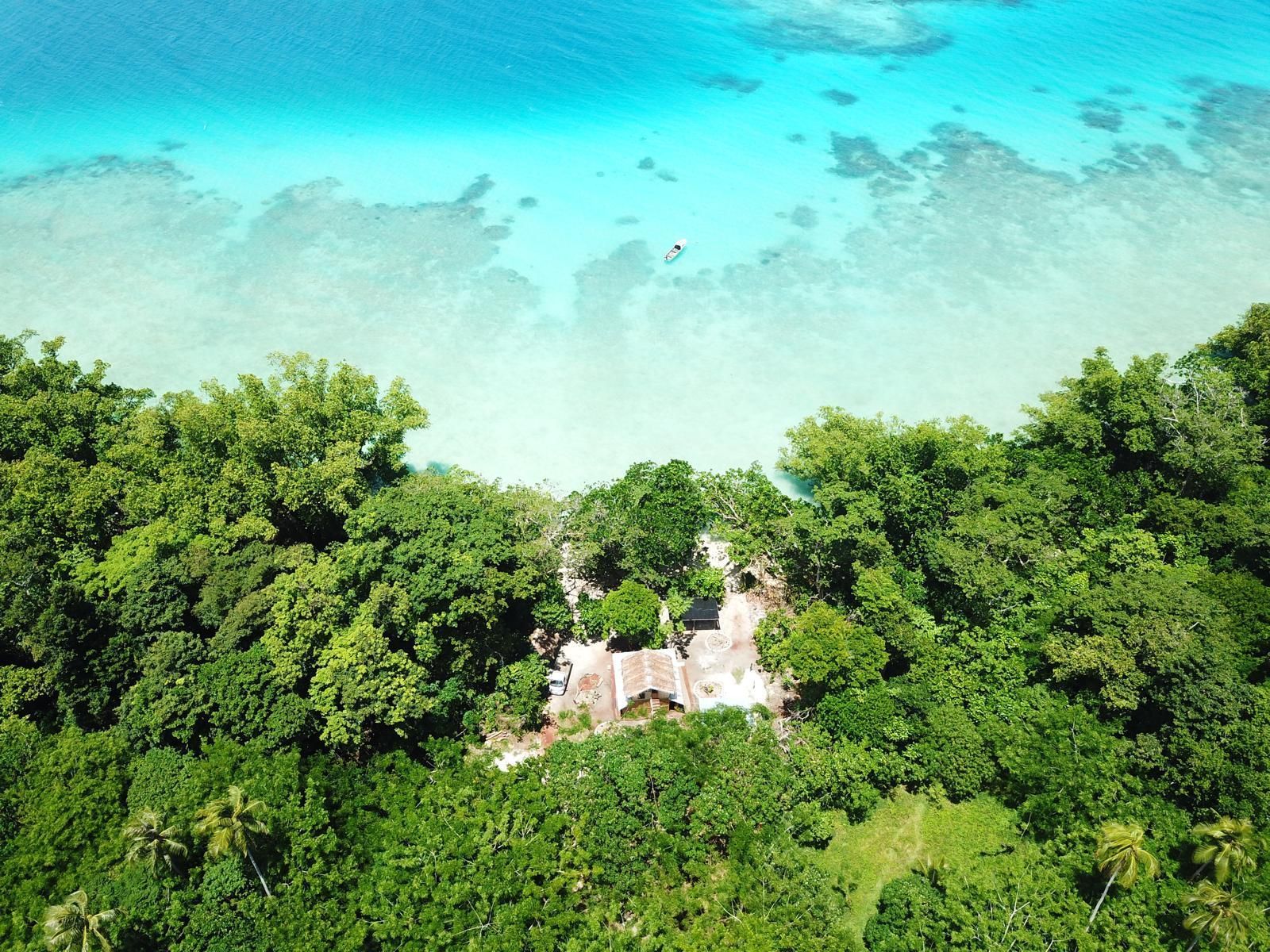
Aore is particularly attractive because much of the island is still quiet, green and lightly developed rather than having houses built closely together. Buyers can find beachfront, ocean-view and agricultural land with more privacy, while still being only a short boat crossing from Santo. That combination of limited supply, proximity to town and a more spacious island setting is one reason Aore continues to interest foreign buyers looking for long-term lifestyle value rather than simply the cheapest available land.
Are There Still Property Bargains in Vanuatu?
Yes, there are still bargains to be found, particularly in less developed areas and on islands such as Aore. Vacant land can still appear from around A$35,000, depending on location, access, lease conditions and whether the block is beachfront, ocean-view or inland.
What has changed is the scale of the opportunity. During and immediately after the COVID period, it was sometimes possible to find extraordinary deals — including very large parcels of land with extensive beachfront for prices that would now seem unusually low. Those opportunities have become much rarer as development has increased, more buyers have entered the market and well-located coastal land has become harder to find.
Vanuatu can still look inexpensive compared with many established Pacific and Australian coastal markets, but the truly exceptional bargains are becoming less common. Buyers who find good land with secure access, a strong lease and a desirable location should understand that scarcity is beginning to matter more than it did a few years ago.
How the Property Purchase Process Works
Buying leasehold property in Vanuatu is generally straightforward. Once the buyer and seller agree on the price and conditions, a Sale and Purchase Agreement is prepared setting out the terms of the deal. The seller is usually the current registered lessee, and the buyer becomes the new lessee once the lease transfer is completed.
After the agreement is signed, the formal lease-transfer process begins. The transfer documents are prepared, signed and properly witnessed or notarised as required, then lodged for registration with the relevant Lands authority. Once the transfer is registered, the buyer becomes the registered lessee of the property.
It is a relatively simple system, but buyers should still use a Vanuatu lawyer to check the title, lease conditions and transfer documents before settlement.
What might be in a Sale and Purchase Agreement?
A Sale and Purchase Agreement will usually spell out the practical deal between the seller and buyer.
Depending on the property, it may include the
- agreed purchase price,
- deposit amount,
- balance owing,
- payment dates,
- settlement date,
- exactly which lease or title is being sold,
- what fixtures or improvements are included,
and whether the sale is conditional on things such as a
- title search,
- finance,
- survey,
- government consent or
- other approvals.
It may also cover who pays legal costs, transfer fees, taxes or registration costs, what happens if either party does not complete the sale, when the buyer can take possession, whether the seller must provide vacant possession, and any special arrangements agreed between the parties. For vendor-finance sales, it may also set out the repayment schedule, interest if any, what happens if payments are missed, and whether the buyer can build or occupy the land before the full balance is paid.
This is paragraph text. Click it or hit the Manage Text button to change the font, color, size, format, and more. To set up site-wide paragraph and title styles, go to Site Theme.
What is in the Lease Transfer?
The Lease Transfer is more formal. It normally identifies the
- existing registered lessee,
- the incoming lessee,
- the lease or title number,
- the land being transferred, and
- the legal interest being transferred.
It also records the
- consideration paid,
- signatures of the parties,
- witnessing
- notarization details, and
- any consent required from the lessor or government before registration.
Once that transfer is accepted and registered, the buyer becomes the new registered lessee.
Buying Property in Vanuatu: The Bottom Line
For foreign buyers, Vanuatu remains one of the more accessible property markets in the Pacific. The system is leasehold rather than freehold, but once you understand that structure, the process itself is generally straightforward: agree on the property, sign the Sale and Purchase Agreement, complete the legal checks, sign the lease transfer, and register the new lessee.
The important thing is not to confuse simple with casual. Buyers should still check the title, remaining lease term, access, permitted use, boundaries, and any interests registered against the property before settlement. A local lawyer should review the documents and make sure the transfer is completed properly.
For buyers looking at Vanuatu for lifestyle, investment or long-term capital growth, good vacant land can still offer strong value, particularly in places where coastal land is limited and development is increasing. The unusually cheap COVID-era bargains are becoming harder to find, but there are still opportunities for buyers who focus on location, access, a sound lease and realistic long-term use.
If you are considering buying on Aore Island or elsewhere in Vanuatu, the best approach is to come and look properly. Stay for a few days, explore the area, compare properties and get a feel for how island life actually works before making a decision.
Stay on Aore Before You Buy

If you are seriously considering property on Aore Island, spending a few days here first is the easiest way to understand whether the island suits you. Stay at Beachfront on Aore or Aore Treehouse, explore different parts of the island, cross to Santo for shopping, and see how the boats, roads and everyday pace actually work.
There is no pressure to buy while you are here. It simply gives you the chance to experience Aore properly, compare locations and look at current properties with a much clearer idea of where you would actually want to live.
Contact Us
We will get back to you as soon as possible.
Please try again later.
Recent Posts