
Pepper Farming in Vanuatu
March 14, 2026
Growing Pepper in Vanuatu
Pepper Farming in Vanuatu: Growing Premium Black Pepper on Volcanic Soil
Pepper farming in Vanuatu is becoming one of the country’s most promising agricultural industries. With rich volcanic soil, tropical rainfall, and warm temperatures year-round, Vanuatu provides ideal conditions for cultivating high-quality black pepper. Across the islands, small plantations and village farmers grow pepper vines that produce aromatic peppercorns prized for their strong flavour and natural origin. Pepper from Vanuatu is increasingly recognised in international markets as a premium spice grown using traditional farming methods and minimal chemical inputs.Phoenix Pepper Plantation, A New Chapter in Island Agriculture
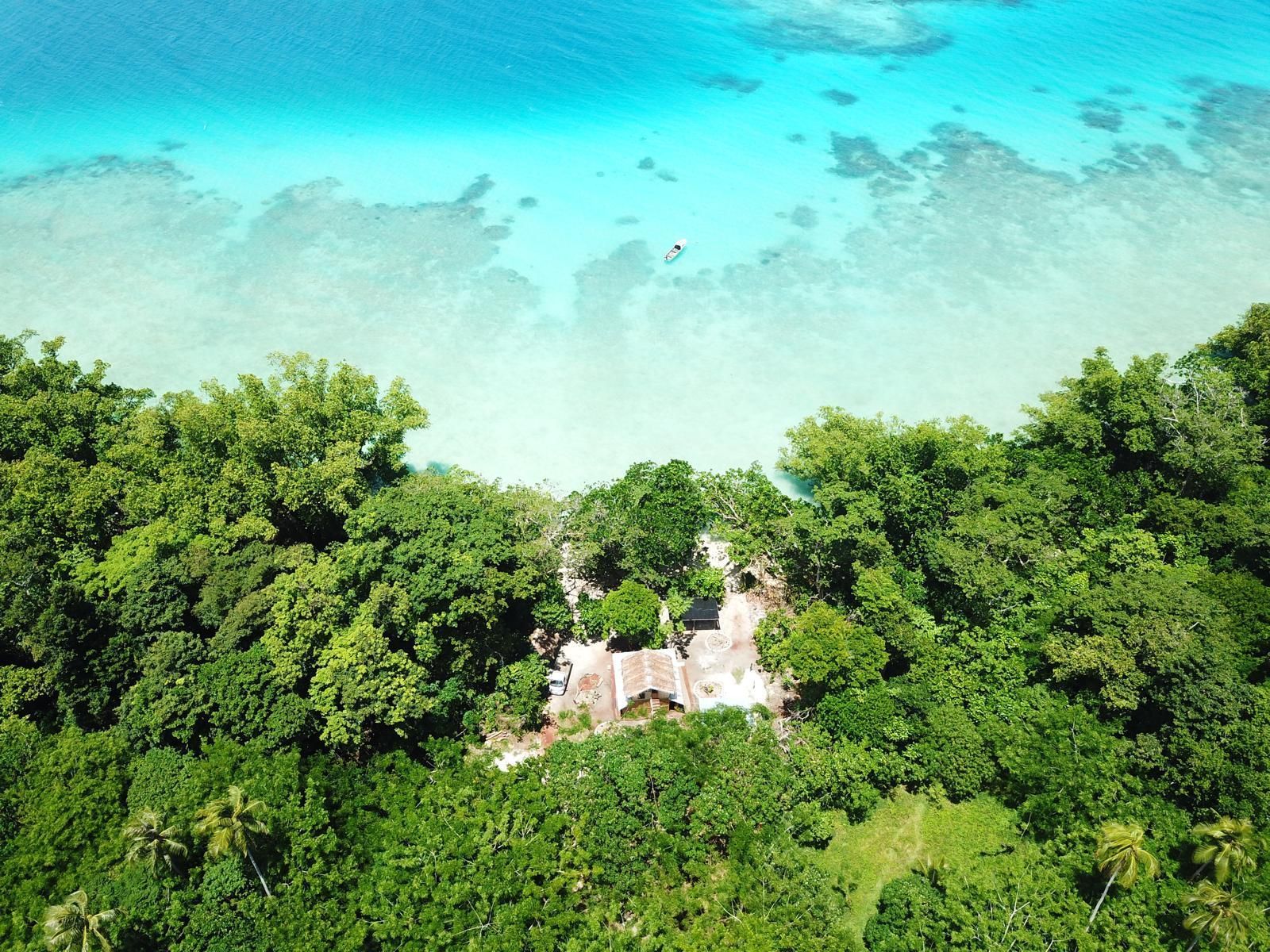
Phoenix Pepper Plantation began as a heritage cocoa farm, built on traditional agricultural knowledge and the fertile volcanic soils of Aore Island in Vanuatu. Over time, the plantation evolved, bringing in experienced growers and agricultural knowledge from neighbouring islands to expand into premium spice production. Today, Phoenix Pepper Plantation represents a new beginning in sustainable island farming. The plantation focuses on cultivating high-quality, single-estate black pepper grown in rich volcanic soil and nurtured using natural farming practices suited to the Pacific climate. By combining traditional farming methods with knowledge shared by experienced growers across the islands, Phoenix Pepper Plantation is producing pepper with a bold flavour and distinctive character unique to Vanuatu. Each harvest reflects the land it comes from – tropical rainfall, mineral-rich soil, and careful hand cultivation. The result is a superior single-estate pepper grown on Aore Island, representing the next generation of Pacific island spice production.Why Vanuatu Is Ideal for Pepper Farming
Vanuatu’s natural environment makes it well suited for pepper cultivation. The islands sit within a tropical climate zone where consistent rainfall, humidity, and fertile soil help pepper vines thrive. The volcanic soil found throughout many islands contains high levels of natural minerals. This nutrient-rich soil supports strong vine growth and contributes to the bold flavour of Vanuatu black pepper. Many farms grow pepper alongside other crops such as cocoa, vanilla, and tropical fruit trees, creating a diverse and sustainable plantation system.Smallholder Farms and Village Agriculture
Pepper farming in Vanuatu is largely carried out by smallholder farmers and village communities. These farms are typically family-run operations where pepper vines are grown alongside subsistence crops. Black pepper is the most commonly grown variety. The peppercorns are known for their sharp aroma and spicy flavour, making them popular with chefs and spice buyers looking for authentic island-grown spices. Because most pepper farming is done on small plantations rather than large industrial farms, the crop is usually hand-managed and harvested using traditional techniques.Planting Pepper Vines
Pepper cultivation begins with selecting strong planting material. Farmers typically start vines in nurseries before transplanting them into the field once they are established. Pepper vines require support structures such as timber posts or living trees to climb as they grow. The vines gradually wrap around these supports and begin producing pepper spikes after several years. Land preparation involves clearing weeds, preparing soil beds, and ensuring good drainage so the roots can develop properly.Caring for Pepper Plants
Pepper plants require regular care to produce healthy yields. Farmers maintain soil fertility by adding organic compost, plant matter, and natural fertilizers. Weeding, pruning, and monitoring for pests are important parts of managing a pepper plantation. Many farmers in Vanuatu prefer low-chemical or organic growing methods, helping maintain soil health and natural ecosystems. Intercropping pepper with other crops is also common, allowing farmers to diversify income while improving soil structure and shade conditions for the vines.Harvesting Pepper in Vanuatu
Pepper harvesting is done by hand once the pepper berries mature. The timing of harvest determines the type of pepper produced. Black pepper is harvested when the berries begin to turn from green to red. The pepper spikes are picked and then dried in the sun until the outer skin wrinkles and darkens. Sun drying is a traditional method used across many farms and contributes to the distinctive flavour of naturally processed pepper.Pepper Processing and Packaging
After drying, peppercorns are cleaned and sorted by size and quality. The best pepper is packaged for sale as whole peppercorns, while other grades may be ground into pepper powder or processed into oils and extracts. Some farms are now moving toward small-batch processing, allowing them to sell pepper directly to restaurants, spice companies, and specialty food markets. This value-added processing can significantly increase the profitability of pepper farming.Challenges Facing Pepper Farmers
Despite its potential, pepper farming in Vanuatu faces several challenges. Farmers often deal with fluctuating global spice prices, limited export infrastructure, and transportation costs between islands. Climate change also presents risks through changing rainfall patterns and stronger storms. To address these issues, farmers are increasingly focusing on sustainable farming methods, crop diversification, and direct-to-market sales.The Future of Vanuatu Pepper
Demand for high-quality spices grown using natural farming methods continues to grow worldwide. Vanuatu pepper is well positioned to meet this demand thanks to its clean environment and traditional farming systems. With continued support for farmers, improved processing, and better access to export markets, pepper farming has the potential to become a key agricultural export for Vanuatu. Beyond economics, pepper farming also supports village livelihoods and strengthens local food systems across the islands.Pepper from the Islands
Vanuatu pepper is more than just a spice. It represents island agriculture, community farming, and produce grown in some of the most fertile soils in the Pacific. From small village plots to growing plantations, pepper farming continues to play an important role in shaping the future of agriculture in Vanuatu.Pepper farming in Vanuatu is entering a new era, where traditional island agriculture meets growing global demand for high-quality natural spices. At Phoenix Pepper Plantation on Aore Island, this new chapter is already underway. What began as a heritage cocoa farm is now expanding into single-estate pepper grown in rich volcanic soil and cultivated using knowledge shared across Pacific farming communities. As the plantation continues to grow, the goal is simple: produce exceptional Vanuatu black pepper while supporting local village livelihoods and sustainable island agriculture for generations to come.
See you in Vanuatu!
Follow Phoenix Plantation at Vanuatu Island on Youtube
FAQ - Growing Pepper in Vanuatu
About the Author – Justine Murray
Justine Murray is the founder of Phoenix Plantation on Aore Island, Vanuatu, a working tropical plantation producing cocoa, vanilla, pepper and other island botanicals. Since establishing the plantation in 2020, Justine has focused on developing small-scale, single-estate crops while supporting the neighbouring village community through seasonal work and agricultural training. Through Phoenix Plantation and Aore Island Botanicals, she shares the story of island farming, traditional crops and natural products grown in Vanuatu’s volcanic soil. Her writing explores plantation life, sustainable farming and the journey of turning raw tropical harvests into handcrafted food and botanical products.
Recent Posts
By Justine Murray
•
October 9, 2026
Discover Aore Island, Vanuatu. Find accommodation, beaches, tours, snorkelling, transport and local experiences just minutes by boat from Santo.

By Justine Murray
•
October 5, 2026
How to get to Aore Island, Vanuatu from Santo. Find flights, ferry and boat transfer information, departure points and practical travel tips.
October 5, 2026
Can foreigners own property in Vanuatu? Learn how leasehold land works, what buyers can purchase, business rules, costs to check before buying in 2026.